
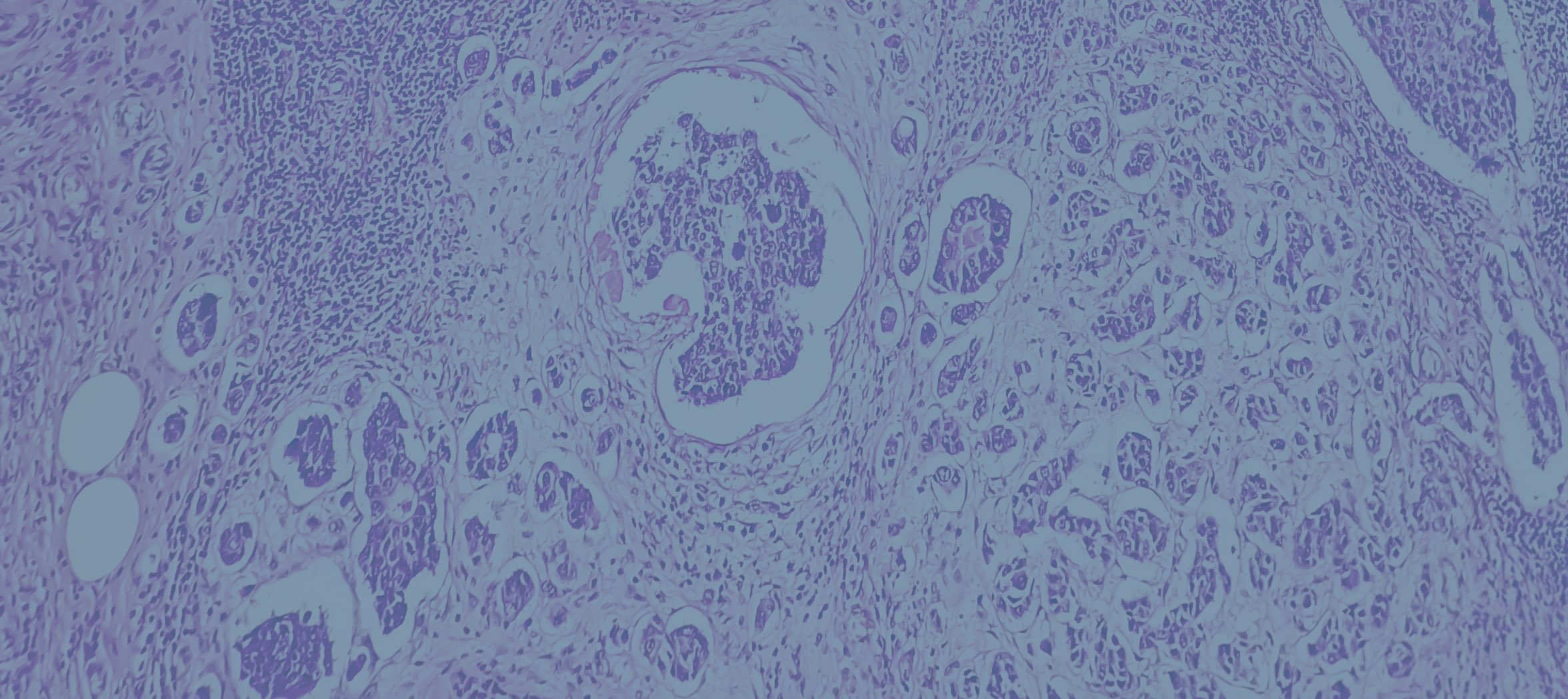
Breast Lumps
Finding a breast lump can be a very stressful experience, and I always endeavour to ensure my patients have a clear understanding of what this might mean, what investigations are needed, and what the next steps will be. Most breast lumps are not cancerous, but it is very important to have them properly assessed to determine their nature and to provide peace of mind.
What is a Breats Lump?
A breast lump is any new swelling, thickening, or change within the breast tissue that feels different from the surrounding area. Lumps can vary in size, shape, and consistency, and while many are benign (non-cancerous), some may require further assessment or treatment.
The most common benign breast lumps include fibroadenomas (firm, smooth, mobile lumps often seen in younger women), cysts (fluid-filled sacs that can fluctuate with the menstrual cycle), and areas of fibrocystic change (lumpiness or tenderness). Other benign conditions such as papillomas or fat necrosis may also present as palpable areas within the breast.
Although the majority of breast lumps are benign, some can represent malignant changes — meaning breast cancer. For this reason, I take every new breast lump seriously and recommend prompt evaluation.
Diagnosis & Imaging Breast Lumps
When you present with a breast lump, I perform a detailed assessment which includes a clinical breast examination and a review of your medical and family history. In most cases, I will arrange a breast ultrasound and mammogram to evaluate the lump in more detail.
If imaging shows any features that require clarification, I will organise a core biopsy — a small tissue sample taken under local anaesthetic — to confirm the diagnosis. This procedure is quick, safe, and provides essential information about the nature of the lump.
In selected cases, additional imaging such as MRI may be recommended, especially if you have dense breast tissue or a strong family history of breast cancer. My priority is always to ensure we have an accurate diagnosis before discussing any treatment options.
Treatment Options
Treatment for a breast lump depends entirely on the diagnosis.
Benign lumps such as fibroadenomas or cysts often do not require surgery and can simply be monitored with imaging over time. However, if a lump is enlarging, causing discomfort, or creating anxiety, I can remove it surgically through a small, cosmetically placed incision.
Malignant lumps (breast cancers) require a more comprehensive approach, involving surgery and potentially additional treatments such as radiotherapy, hormonal therapy, or chemotherapy.
Every patient’s situation is unique. I always take the time to discuss all the available options and tailor management to your specific needs and preferences.
Recovery & Follow-up
If surgery is required, it is typically a day procedure performed under general anaesthetic. You will wake up with a small dressing over the incision, and discomfort is usually minimal. I generally advise avoiding strenuous activity and heavy lifting for one to two weeks.
I will review you in clinic approximately two weeks after surgery to check your healing and to discuss the pathology results. My team and I remain easily contactable should you have any questions or concerns during your recovery.
Risks
Every procedure carries a small risk, and I always ensure you are fully informed before proceeding. The risks associated with breast lump removal are low but can include bleeding, infection, seroma (fluid collection), or scarring. In rare cases, additional surgery may be required if pathology reveals findings that need further management.
I take great care with gentle tissue handling and meticulous surgical technique to minimise these risks and to ensure the best possible cosmetic outcome.
Frequently Asked Questions (FAQs)
Will my breast lump definitely need surgery?
Not always. Many lumps are benign and can safely be observed. Surgery is only recommended if the lump is changing, symptomatic, or causes anxiety.
Is a breast lump always cancer?
No — most lumps are benign. However, it’s essential to have every new lump assessed properly.
Does a biopsy hurt?
A core biopsy is done under local anaesthetic and is generally very well tolerated. You may experience mild bruising or tenderness afterward.
Will I have a scar after surgery?
I always aim to place incisions in the most discreet and cosmetically favourable locations to ensure the best aesthetic outcome.
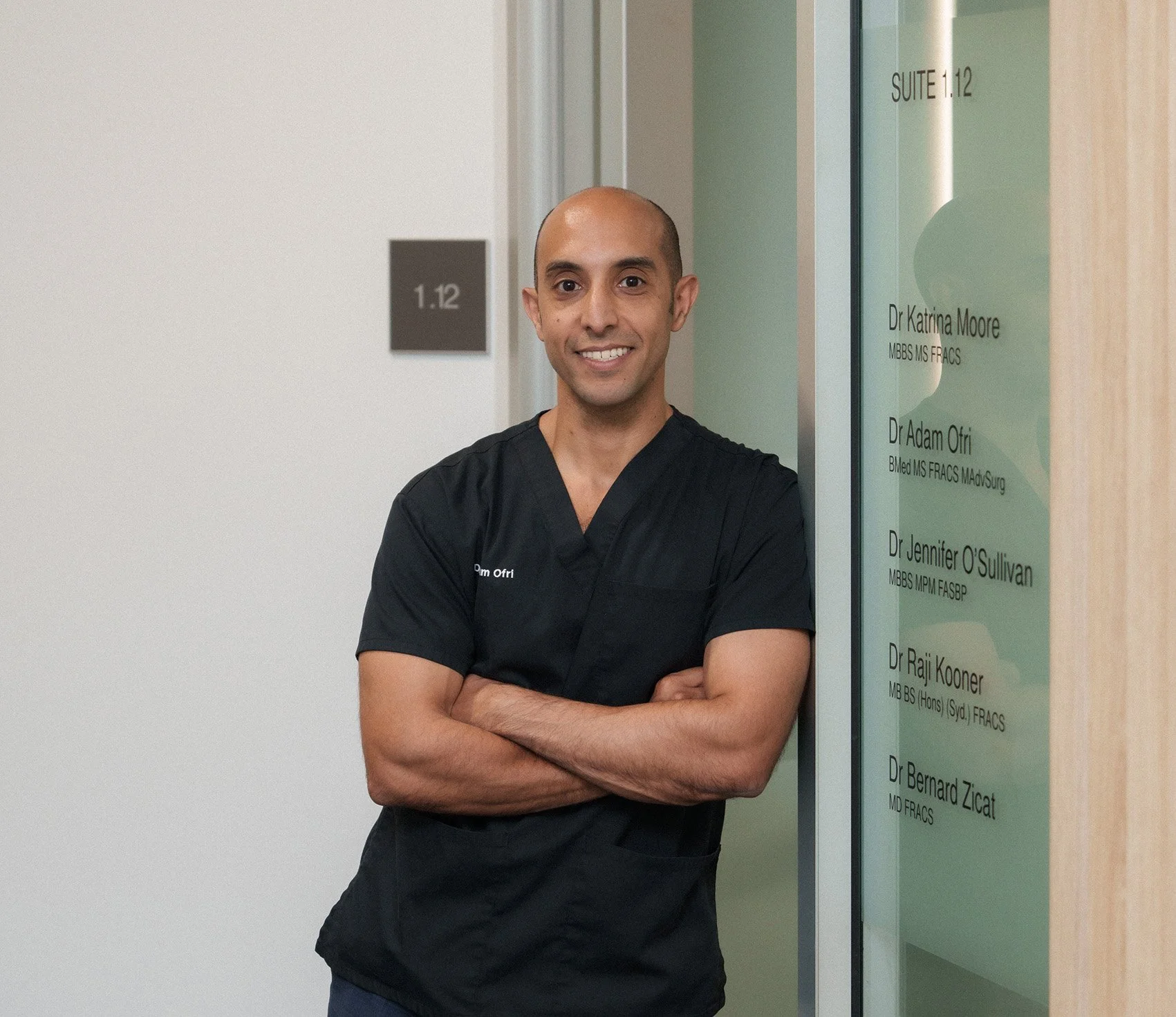
SYDENY BREAST SURGEON
Why choose Dr Ofri for your Breast Care?
Choosing a breast surgeon is an important and personal decision. I am always honoured when patients place their trust in me. My approach is centred on compassion, clear communication, and evidence-based care.
I ensure that you understand your diagnosis, investigations, and treatment options at every step. As an oncoplastic breast surgeon, I combine surgical precision with attention to aesthetic outcomes, and my academic involvement ensures I remain at the forefront of modern breast surgery and research. You can be confident that your care will always be guided by the most up-to-date knowledge and best practice.