
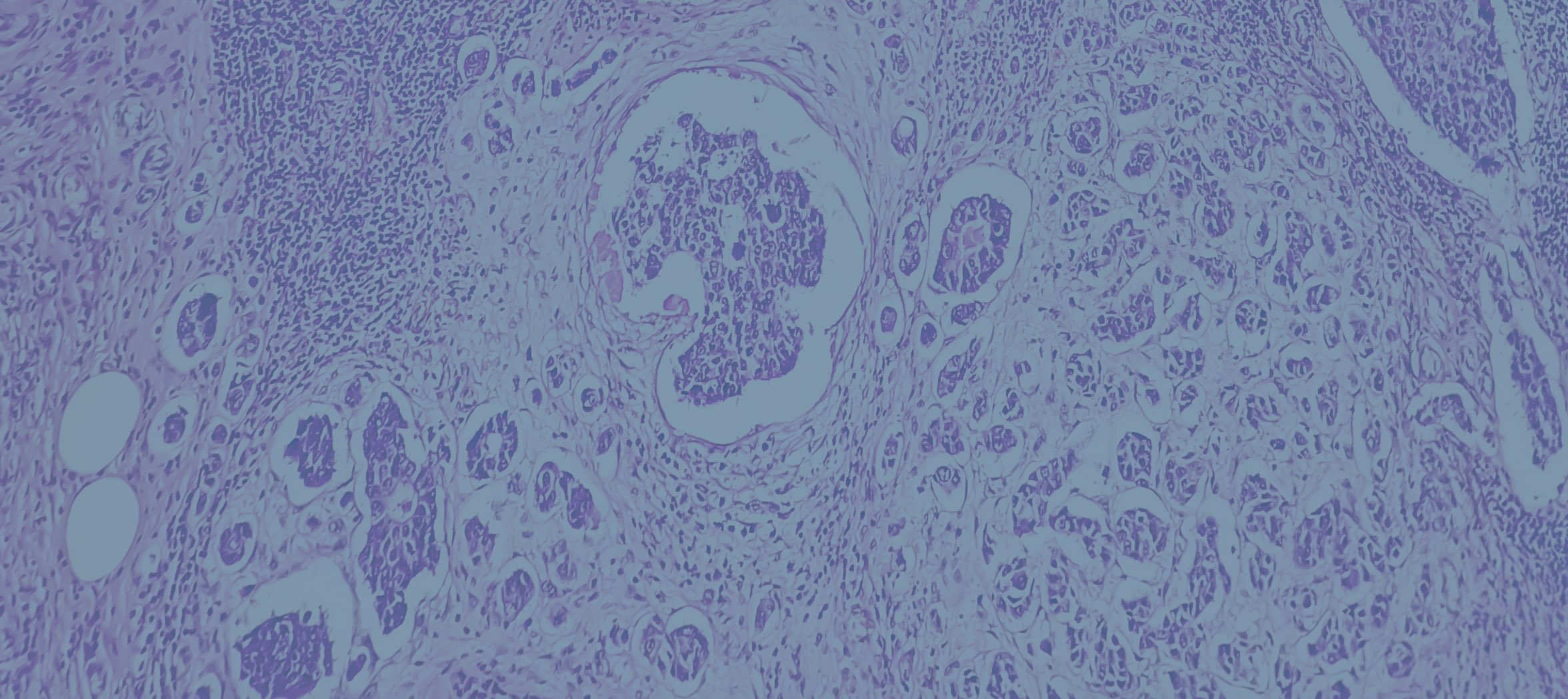
Lumpectomy: Breast-Conserving Surgery
A breast cancer diagnosis can be overwhelming, but understanding your treatment options can help bring clarity and confidence. Surgery is one of the most effective ways to treat breast cancer, and the type of operation depends on the individual case. The two main surgical approaches are mastectomy (removal of the entire breast) and breast-conserving surgery (lumpectomy or wide local excision).
What is Breast-Conserving Surgery (Lumpectomy)?
A lumpectomy involves removing the breast cancer and a margin of surrounding tissue while preserving as much of the breast as possible. The goal is to completely remove the tumour and maintain a natural breast contour. Dr Adam Ofri is an advanced oncoplastic breast surgeon, combining oncologic safety with aesthetic surgical techniques to optimise both cancer control and cosmetic outcomes.
Tailoring the Surgery to You
Every patient’s situation is unique. The decision on how to approach a lumpectomy depends on tumour size, location, and breast shape. Two broad surgical strategies are used:
Volume Displacement: uses nearby breast tissue to reshape the breast after tumour removal, resulting in a slightly smaller but well-shaped breast
Volume Replacement: transfers tissue or fat from the surrounding chest area to restore volume where tissue has been removed.
Following a lumpectomy, radiotherapy is typically required to minimise the risk of cancer recurrence. The details of radiotherapy and postoperative care will be discussed thoroughly at your consultation.
What Happens During Lumpectomy Surgery?
On the day of surgery, a small injection may be performed under ultrasound guidance to help locate the tumour and any lymph nodes that require biopsy. During the operation, Dr Ofri removes the cancerous tissue and performs an immediate X-ray of the specimen to ensure clear margins, reducing the chance of requiring further surgery.
Patients typically stay in hospital for one to two nights. If volume replacement surgery is performed, a small drain may be inserted to prevent fluid build-up. Dressings remain in place for two weeks, and a supportive bra or binder is applied. Postoperative discomfort is usually mild.
Recovery After Lumpectomy
Most patients recover comfortably within two weeks. Driving and heavy lifting should be avoided during this period. You may shower as dressings are water-resistant, but bathing and swimming should be avoided until your first follow-up. Dr Ofri provides each patient with a tailored recovery plan and remains readily accessible through his rooms or patient portal for any questions or concerns.
Risks & Complications
All surgical procedures carry some risks. The most common risks after lumpectomy include bleeding, infection, fluid collection (seroma), and delayed wound healing. Dr Ofri applies meticulous surgical technique to minimise these risks.
In some cases, the pathology report may show that cancer cells are close to the edge of the removed tissue (positive margins). If this occurs, a second procedure (re-excision) may be required to ensure complete removal. This occurs in approximately 10–15% of patients and is standard practice in accordance with BreastSurgANZ guidelines.
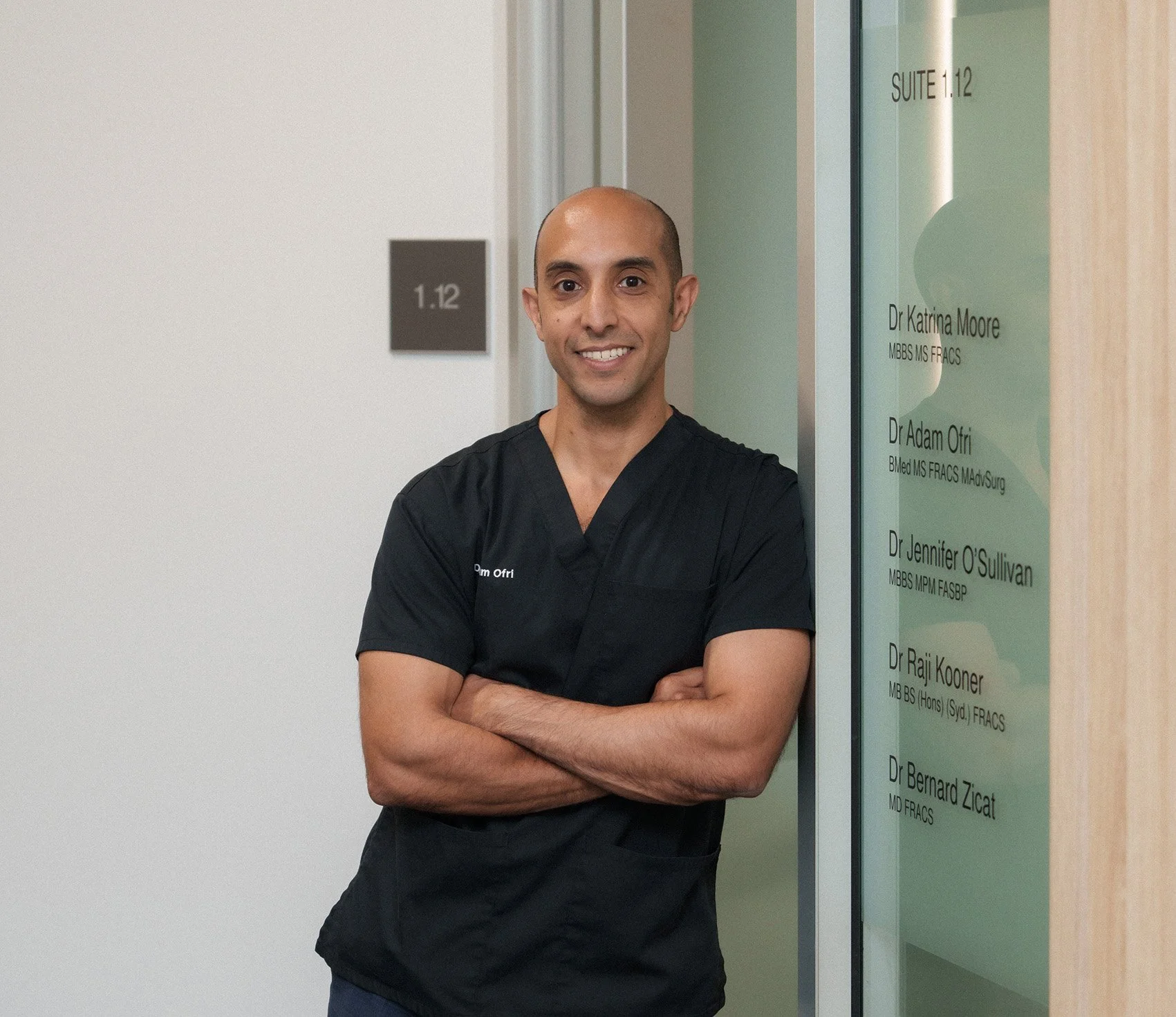
SYDNEY BREAST SURGEON
Why Choose Dr Adam Ofri for Breast-Conserving Surgery?
Dr Adam Ofri is a specialist breast and general surgeon in Sydney with advanced training in oncoplastic breast surgery. He combines surgical precision with compassionate care, ensuring that every patient receives treatment aligned with the latest research and best practices. His active involvement in clinical research and academic teaching helps ensure that patients benefit from the most up-to-date surgical techniques.
To discuss your diagnosis and explore whether breast-conserving surgery may be appropriate for you, please contact Dr Adam Ofri’s rooms to arrange a consultation.